How Weather and Temperature Changes Affect Concrete
To address how weather and temperature changes affect concrete, local contractors can repair cracks, spalling, and other damage caused by these conditions.
Understanding how weather and temperature changes affect concrete is essential for property owners seeking long-lasting, durable surfaces. Fluctuations in temperature can cause concrete to expand and contract, leading to cracks, spalling, and other forms of deterioration over time. Recognizing these effects helps homeowners and business owners take proactive steps to protect their investments, especially in areas where temperature swings are common. Local contractors experienced in concrete repair can assess how these environmental factors impact existing structures and recommend appropriate solutions to maintain stability and safety.
For property owners in the area, exploring how weather and temperature changes affect concrete is a practical way to prevent costly repairs down the line. Whether it's a driveway, patio, or foundation, understanding these influences can guide decisions on maintenance and repairs. Skilled service providers can address issues caused by temperature-related stress, restoring concrete’s integrity and appearance. Keeping informed about these factors ensures that concrete surfaces remain resilient, helping property owners preserve their outdoor spaces and structures effectively.
- Crack Repair - when temperature fluctuations cause concrete to expand and contract, leading to cracks that need professional sealing and reinforcement.
- Surface Resurfacing - as weather changes accelerate surface deterioration, local contractors can restore concrete’s appearance and durability through resurfacing.
- Joint Filling - in areas affected by freeze-thaw cycles, pros can fill and seal joints to prevent water intrusion and further damage.
- Structural Reinforcement - extreme temperature shifts can weaken concrete structures, prompting specialists to reinforce or retrofit for added stability.
- Sealant Application - when weather causes moisture penetration and surface erosion, local service providers can apply sealants to protect concrete surfaces.
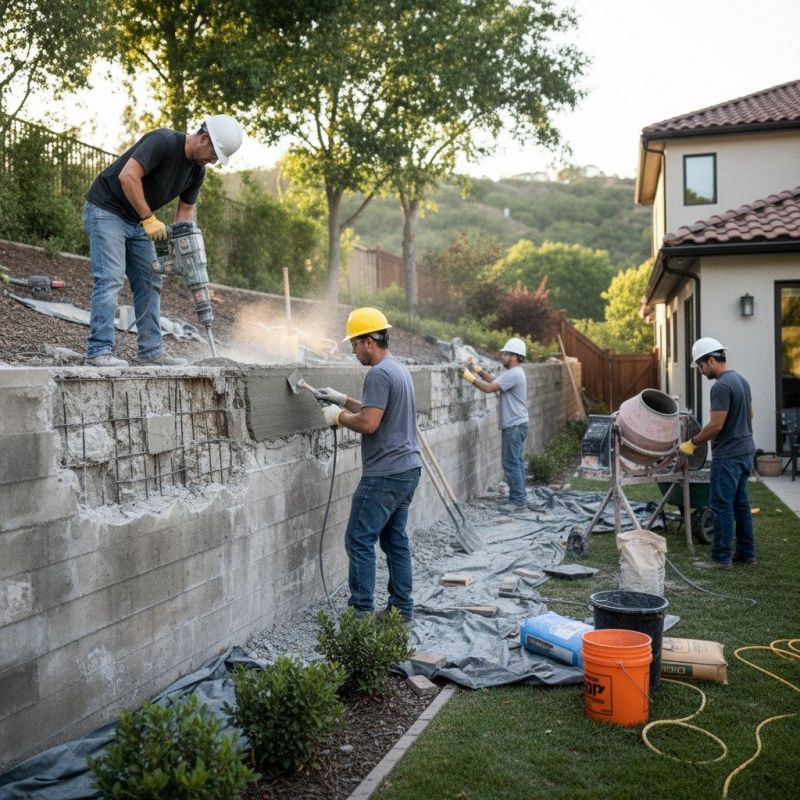
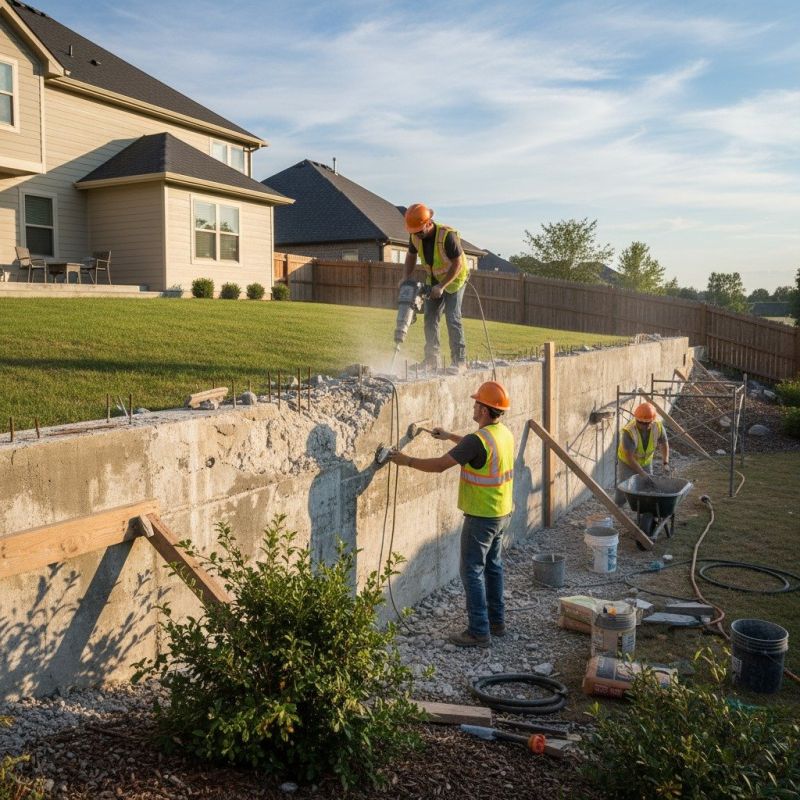
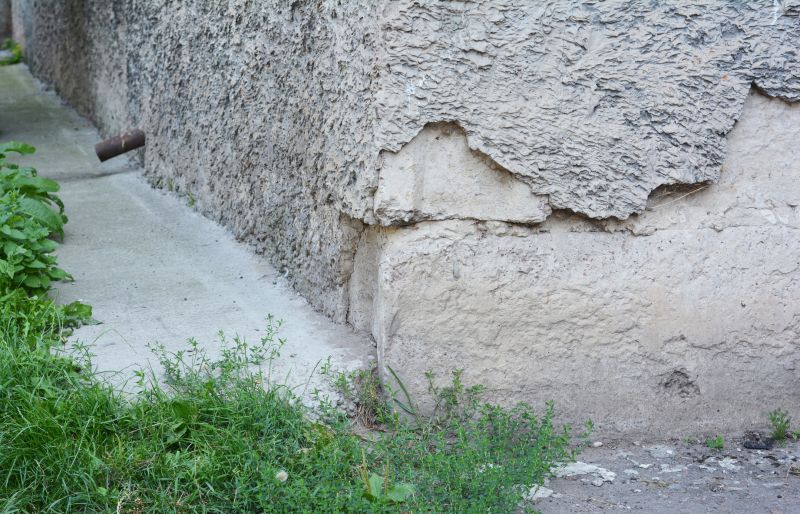
When people search for how weather and temperature changes affect concrete, they are often trying to understand why their existing concrete surfaces show signs of damage or deterioration. This topic is commonly explored in the context of home improvement projects, such as repairing cracked driveways, patios, or walkways. Homeowners may notice issues like surface cracking, spalling, or uneven settling and want to learn how seasonal shifts or temperature fluctuations contribute to these problems. Understanding the impact of weather conditions helps homeowners plan repairs or replacements that will stand up to future temperature changes and avoid recurring issues.
This subject is closely related to problems that arise from exposure to extreme or fluctuating temperatures, moisture, and freeze-thaw cycles. For example, concrete exposed to freezing weather can experience expansion and contraction that lead to cracking or surface scaling. Similarly, hot weather can cause concrete to cure too quickly, resulting in weakened strength or surface imperfections. Many home improvement plans involve addressing these weather-related vulnerabilities, especially in regions with pronounced seasonal changes. Homeowners often seek advice on how to reinforce or protect concrete surfaces against these effects, and local service providers who specialize in concrete repair are well-positioned to help.
The properties of concrete that typically come into focus when considering weather and temperature changes include its durability, cracking resistance, and ability to withstand moisture infiltration. Concrete's tendency to expand when heated and contract when cooled makes it susceptible to structural issues over time if not properly designed or maintained. Common signs of weather-related damage include surface cracking, spalling, or uneven settling, which can compromise both the appearance and safety of a concrete surface. Homeowners may also be concerned about how to prevent future damage through proper sealing, reinforcement, or appropriate curing methods, which local contractors can advise on based on specific climate conditions.
Understanding how weather and temperature changes affect concrete is essential for planning long-lasting repairs and installations. Local contractors who specialize in concrete repair can evaluate existing surfaces, identify weather-related vulnerabilities, and recommend solutions tailored to local conditions. Whether it involves patching cracks caused by freeze-thaw cycles or applying protective coatings to mitigate thermal expansion, these service providers play a key role in maintaining concrete’s integrity. By addressing weather-related issues early and choosing the right repair strategies, homeowners can extend the lifespan of their concrete surfaces and ensure they remain functional and attractive despite seasonal changes.
Pavement Restoration Projects - local contractors specializing in pavement repair understand how weather and temperature fluctuations can cause cracking and surface deterioration in concrete surfaces.
Foundation Repair Services - experts in foundation stabilization are experienced in addressing issues caused by soil movement and temperature-related expansion or contraction affecting concrete structures.
Driveway Resurfacing - local pros skilled in driveway resurfacing can assess and repair damage from freeze-thaw cycles and temperature shifts that impact concrete durability.
Sidewalk and Patio Repair - service providers experienced in sidewalk and patio work can handle cracks and uneven surfaces resulting from weather-induced concrete stress.
Concrete Sealing and Waterproofing - contractors offering sealing services help protect concrete from moisture infiltration and temperature-related expansion that can lead to damage.
Structural Concrete Reinforcement - specialists in structural reinforcement can address concrete weaknesses caused by temperature changes that lead to cracking and structural issues.
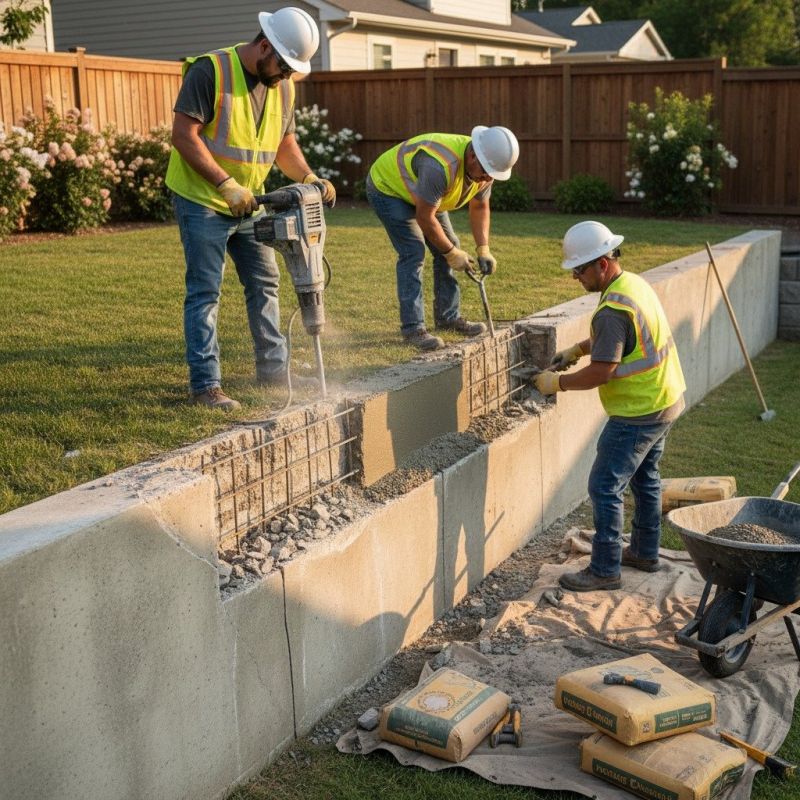
When evaluating service providers for concrete repair related to weather and temperature impacts, it’s important to consider their experience with similar projects. Homeowners should inquire about how long the contractors have been working on concrete repairs, particularly in conditions that involve significant temperature fluctuations or weather-related challenges. A contractor with a proven track record handling projects affected by weather changes can offer insights into the best approaches and solutions that stand up to local climate conditions. This experience helps ensure that the chosen professionals understand the unique demands of your area and can recommend appropriate repair techniques that address issues like cracking, spalling, or shifting caused by weather-related stress.
Clear, written expectations are vital when selecting a contractor to address weather-related concrete issues. Homeowners should seek detailed explanations of the repair process, including preparation, materials used, and the expected outcomes. A reputable service provider will be transparent about what the project entails and provide documentation or estimates that outline the scope of work. This clarity helps prevent misunderstandings and ensures that both parties are aligned on the goals of the repair, especially when dealing with concrete that may have been compromised by temperature changes or weather conditions. Well-defined expectations also serve as a reference point for evaluating the quality and thoroughness of the work performed.
Reputable references and good communication are essential factors when comparing local contractors for concrete repair services. Homeowners should ask for references or examples of past projects, particularly those involving weather or temperature-related issues, to gauge the quality of work and customer satisfaction. Additionally, effective communication throughout the process-such as responsiveness to questions, willingness to explain options, and clarity in discussing timelines-is a strong indicator of a professional and reliable service provider. These elements help ensure that the contractor understands the specific challenges posed by weather and temperature changes and can provide tailored solutions to maintain the integrity and longevity of the concrete.
Property owners often search for how weather and temperature changes affect concrete when they are planning practical projects around their homes and businesses. Local pros provide Concrete Repair services for everyday jobs and straightforward project options.
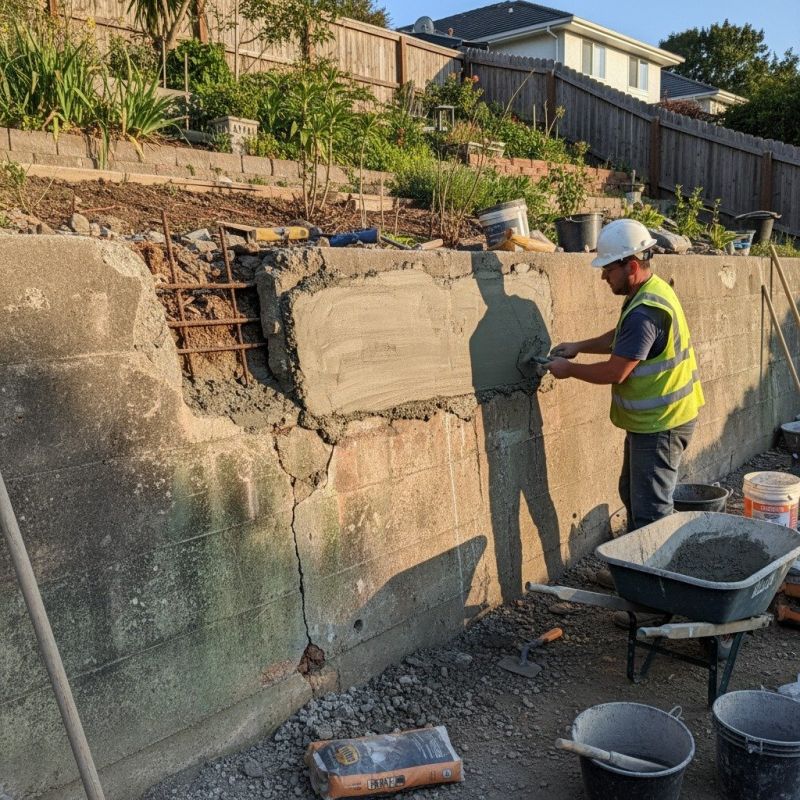
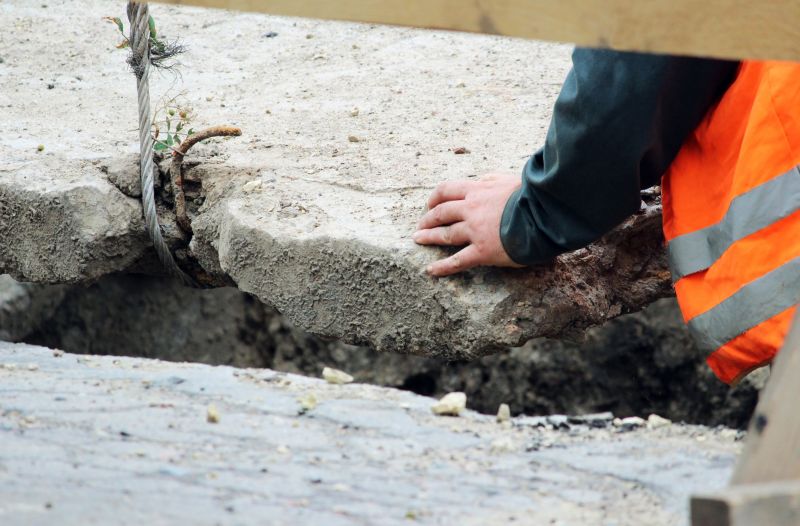
Weather and temperature changes can significantly impact concrete in everyday project situations. Fluctuations in temperature can cause concrete to expand and contract, leading to cracks, spalling, or uneven surfaces over time. For property owners planning driveway repairs, patio renovations, or foundation work, understanding how these changes affect concrete helps in choosing the right solutions and timing. Local contractors experienced in concrete repair are familiar with these effects and can recommend appropriate measures to address or prevent damage caused by weather-related shifts.
Extreme weather conditions, such as freezing temperatures or intense heat, can accelerate deterioration or compromise the integrity of existing concrete. For those noticing cracks or surface damage, it’s often a sign that weather and temperature changes have taken a toll. Engaging with local service providers who specialize in concrete repair ensures that issues are properly assessed and managed, helping to restore durability and appearance. These professionals can provide tailored repairs that account for local climate patterns, helping property owners maintain safe and stable surfaces despite ongoing weather challenges.
How do temperature fluctuations impact concrete durability? Temperature changes can cause concrete to expand and contract, leading to cracking or surface deterioration over time. Local contractors can assess and repair damage caused by these shifts to maintain concrete integrity.
Can weather conditions cause concrete to crack or spall? Yes, extreme weather such as freezing or hot temperatures can lead to cracking or spalling in concrete surfaces. Experienced service providers can perform repairs to address weather-related damage.
How does moisture from weather affect concrete surfaces? Excess moisture from rain or snow can weaken concrete, promote freeze-thaw cycles, and cause surface scaling. Local pros can help with repairs to prevent further deterioration caused by moisture exposure.
What role does temperature play in the expansion and contraction of concrete? Temperature variations cause concrete to expand when hot and contract when cold, which can lead to cracks if not properly managed. Local contractors can repair and reinforce concrete to accommodate these movements.
How can weather-related changes lead to the need for concrete repairs? Repeated exposure to weather changes can cause surface damage, cracks, and structural issues, making repairs necessary. Service providers can assess and restore concrete affected by weather and temperature fluctuations.
Understanding temperature impacts - property owners can plan repairs during moderate weather to avoid issues caused by extreme temperature fluctuations.
Timing concrete work - scheduling repairs in seasons with stable weather helps ensure proper curing and reduces cracking risks.
Choosing appropriate materials - local contractors can recommend products that withstand weather-related stresses for longer-lasting repairs.
Managing moisture levels - adjusting repair techniques based on weather conditions can prevent water-related damage and improve concrete durability.
If you are thinking about how weather and temperature changes affect concrete for a property, this guide is meant to help you understand this topic, the typical project types, and how different options might fit your plans.
When you are ready, you can use the quote form on this page to share a few details about your project. From there, local pros can review the basics and follow up with options that match what you have in mind.